About

Neighbourhood Farm

Cultivating Health and Learning Through Sustainable Urban Agriculture

Founded in 2018 by filmmaker Justin Bonello and educator Eugenie Tancred, Neighbourhood Farm is a non-profit organisation (PBO) rooted in Fish Hoek, Cape Town. Our mission is simple but powerful: to enrich lives through sustainable urban agriculture, community engagement, and transformative education.

Our Mission

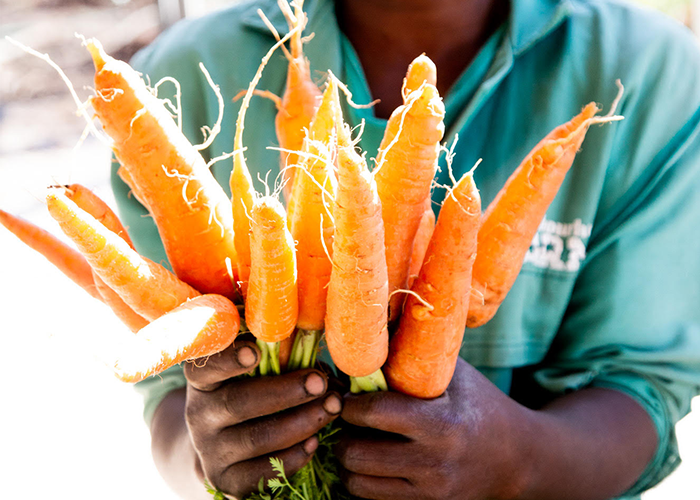
  • Edible Education & Nutrition: We create interactive farm experiences that give children hands-on “edible education.” At the same time, we donate fresh, organic vegetables to Early Childhood Development (ECD) centres across the South Peninsula—ensuring that nutrition and learning go hand-in-hand.
  • Community Connection: We believe children should know where their food comes from. By deepening the link between children, their communities, and the soil beneath their feet, we’re fostering healthier, more resilient urban neighbourhoods.

Our vision is a future where every child and community member has access to fresh, organic produce and understands the journey from seed to plate. This access supports physical health, fuels cognitive development, and empowers people to make more sustainable choices

The Challenge

Too many South African communities struggle to put nutritious food on the table. Rising costs make fresh produce inaccessible, and many children miss out on the essential nutrients needed for growth and early learning. At the same time, limited exposure to agriculture fosters disconnection—food becomes something that arrives on a shelf, not something grown, tended, and cared for.

Our Solution

Neighbourhood Farm tackles these challenges by blending nutrition with education:

  • We donate organic vegetables to children and families who need them most.
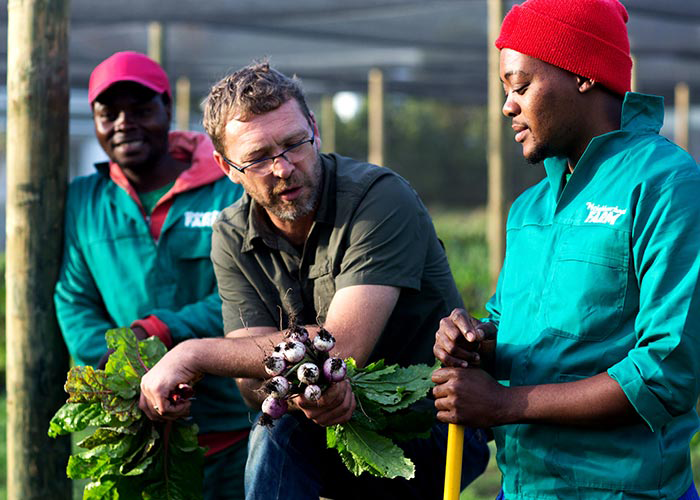
  • We host farm visits that give children hands-on experiences with soil, plants, and food, turning agriculture into an engaging learning journey.
  • To sustain our initiatives, we run a small retail component—selling surplus produce to restaurants, local market stallholders, entrepreneurs, and the wider community.

This hybrid model allows us to keep feeding and teaching while building a self-sustaining cycle of impact.

Why It Matters

By investing in sustainable food systems and edible education, we are not just filling plates — we are nurturing healthier bodies, sharper minds, and stronger communities. The ripple effect goes beyond today’s meals: it builds tomorrow’s food-conscious citizens.